



 Last Updated –
  Read Time - Est:
Simple FAQs about the Garden Grove Chemical Leak
The Garden Grove chemical leak has raised serious concerns for residents, workers, and families throughout the surrounding area. Incidents involving hazardous chemical releases can create immediate health and safety risks, especially when airborne vapors spread through nearby neighborhoods and businesses.
For many people, the situation may lead to respiratory irritation, headaches, nausea, evacuation orders, missed work, and uncertainty about possible long term health effects. The immediate focus should be safety and recovery, but it is also important to preserve information that could later support a legal claim. Waiting too long can make it harder to gather evidence, track expenses, or connect symptoms to the exposure event.
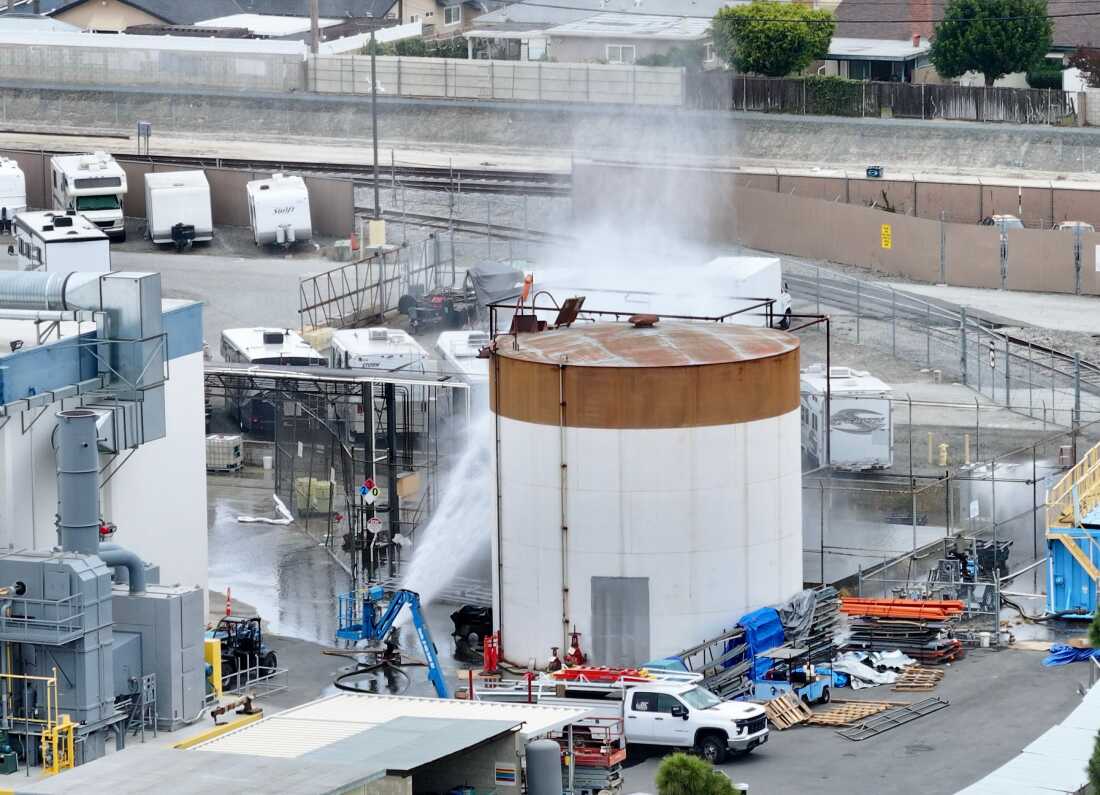
Image: Jeff Gritchen/The Orange County Register/AP
Common Questions About This Leak
🟥What happened? A hazardous chemical leak in Garden Grove raised health and safety concerns for nearby residents, workers, and businesses
🟥Why is this incident serious? Chemical exposure incidents may create risks involving breathing problems, irritation, headaches, nausea, and other health symptoms
🟥What chemical was involved? Reports connected to the incident have referenced Methyl Methacrylate, also known as MMA, an industrial chemical used in manufacturing and commercial products
🟥Who may have been affected? People living, working, traveling through, or operating businesses near the affected area may have been exposed or impacted by evacuation orders
🟥What symptoms should people watch for? Common symptoms may include coughing, dizziness, throat irritation, headaches, eye irritation, fatigue, or difficulty breathing
🟥 Should I seek medical attention? Yes, anyone experiencing symptoms after possible exposure should consider medical evaluation and keep records of treatment
🟥Why are evacuation orders important? Evacuation and safety orders are issued to help reduce exposure risks and protect public health during hazardous situations
🟥What records should I keep? Save medical records, receipts, evacuation notices, photographs, work records, and notes about symptoms or expenses
🟥 Can businesses also be affected? Yes, local businesses may experience closures, lost revenue, employee disruptions, or cleanup related expenses
🟥 Can affected individuals seek legal help, people impacted by the incident may qualify to pursue compensation for medical costs, lost wages, evacuation expenses, and other damages depending on their situation
🟥 Do I need medical records before contacting a lawyer? No, an attorney can explain what information may help and what can be gathered later
🟥What if my symptoms appeared days after the incident? Delayed symptoms are common after chemical exposure and should still be documented
What You Need to Know About the Garden Grove Chemical Spill
Chemical exposure incidents can create confusion, fear, and uncertainty for nearby residents and workers. When a hazardous material release occurs, understanding the potential risks and knowing what actions to take can help protect both your health and legal rights. A significant concern following a large industrial event is whether exposure may lead to short term or long term health complications.
People affected by the incident may experience symptoms such as headaches, nausea, dizziness, breathing irritation, eye irritation, or skin discomfort. Others may be forced to evacuate their homes or temporarily relocate while emergency crews assess air quality and safety conditions. Even individuals who initially feel fine may later develop symptoms after exposure to airborne chemicals or contaminated environments.
The Garden Grove chemical leak has also raised questions about liability, safety procedures, and whether proper precautions were taken before the incident occurred. In situations involving chemical releases, investigators often examine whether safety violations, equipment failures, improper storage, or negligent handling contributed to the event.
Important Facts to Understand
🟥Exposure symptoms may not always appear immediately
🟥Children, older adults, and individuals with respiratory conditions may face increased health risks
🟥Emergency evacuation orders should always be taken seriously
🟥Medical evaluation can help document symptoms linked to exposure
🟥Photographs, receipts, and written notes may later support a legal claim
🟥Businesses may also suffer losses related to closures or reduced operations
🟥Personal injury claims may include compensation for medical expenses, lost income, pain, suffering, and relocation costs
What is Methyl Methacrylate? And What Exposure Can Do
Methyl Methacrylate, often referred to as MMA, is a chemical commonly used in manufacturing, industrial production, flooring products, plastics, coatings, adhesives, and other commercial applications. While it serves important industrial purposes, exposure to MMA can create serious health concerns when released into the air in large amounts or when safety measures fail.
People exposed to MMA vapors may experience irritation affecting the eyes, nose, throat, or lungs. Some individuals report headaches, nausea, dizziness, fatigue, or difficulty breathing after exposure.
In higher concentrations, the chemical may create stronger respiratory symptoms and increase the need for medical attention, especially for those with asthma or other underlying health conditions.
Exposure situations involving MMA can become especially concerning when residents, workers, or nearby businesses are not immediately aware of the release. Delayed evacuation

Image: Jeff Antenore, Orange County Register/SCNG)
or inadequate warnings may increase the duration of exposure and potentially worsen symptoms. For families already dealing with medical stress, missed work, or relocation costs, the financial impact can quickly become overwhelming.
Understanding the effects of MMA exposure may help individuals recognize symptoms early and seek medical care promptly. It may also help preserve important medical documentation that could support a future injury claim related to the Garden Grove chemical leak.
Risks of MMA Vapors
MMA vapors can spread rapidly through surrounding areas depending on weather conditions, ventilation, and the scale of the release. Even short term exposure may irritate the respiratory system and create symptoms that interfere with daily activities. Individuals may experience coughing, throat irritation, watery eyes, headaches, dizziness, or nausea after inhaling the fumes. For some people, these symptoms may resolve after leaving the area, while others may continue experiencing complications for days or longer.
People with asthma, chronic lung conditions, allergies, or weakened immune systems may face increased sensitivity to airborne chemical exposure. Children and older adults may also be more vulnerable because their respiratory systems can be more easily affected by contaminated air conditions. In some cases, prolonged exposure may require emergency medical care or follow up treatment.
Another concern with MMA vapor exposure is delayed symptom development. Some individuals initially believe they are unaffected, only to later experience breathing difficulties, chest discomfort, fatigue, or persistent irritation. Because of this possibility, documenting symptoms early and seeking medical evaluation can be important for both health and legal reasons. Proper documentation may later help establish the connection between exposure and resulting injuries or financial losses.
Steps You Should Take Right Now
After a hazardous chemical incident, the actions you take in the hours and days afterward can affect both your health and your ability to recover compensation later. Many people focus only on immediate safety concerns, but preserving evidence and documenting the impact of the event can also be extremely important. Even if symptoms appear minor, it is wise to monitor your health carefully and maintain detailed records.
Chemical exposure cases often involve investigations into what occurred, who may be responsible, and how victims were affected. During this process, records such as medical visits, evacuation notices, photographs, receipts, and written symptom logs may become valuable evidence. Taking organized steps early may strengthen your ability to pursue compensation for medical bills, lost wages, relocation expenses, and other damages.
It is also important to avoid making assumptions about the seriousness of your condition too quickly. Some chemical exposure symptoms may develop gradually or worsen with time. Seeking medical attention and following official safety guidance can help protect both your wellbeing and your legal rights.
Follow all Safety & Evacuation Orders
Emergency evacuation and shelter in place orders are issued to reduce the risk of injury during dangerous incidents involving hazardous materials. If local authorities instruct residents or workers to evacuate, those directions should be followed immediately and carefully. Remaining inside a restricted area may increase exposure to airborne contaminants and create unnecessary health risks.
Many chemical releases involve vapors or particles that are difficult to detect without specialized equipment. Even if the air appears normal, harmful substances may still be present at unsafe levels. Individuals who ignore evacuation orders may unknowingly expose themselves and their families to respiratory irritation, chemical burns, or more severe health complications. Emergency officials often monitor air quality conditions closely before declaring an area safe to reenter.
Following evacuation instructions can also help create an official record showing that you were impacted by the incident. Temporary relocation costs, hotel stays, transportation expenses, and missed work may later become part of a legal claim. Keeping copies of emergency alerts, evacuation notices, and lodging receipts can help document the disruption caused by the incident.
Families should also pay close attention to updates from local agencies regarding school closures, road restrictions, and health advisories. Conditions may change quickly during a chemical emergency, and following official guidance may reduce confusion while helping protect your safety and future legal interests.
Note all Your Symptoms & Costs
One of the most important things you can do after possible chemical exposure is carefully document how the incident affected you physically, emotionally, and financially. Many symptoms associated with hazardous exposure may appear gradually or fluctuate over time. Keeping detailed notes can help establish a timeline connecting your condition to the event.
You should record symptoms such as coughing, headaches, dizziness, nausea, breathing problems, eye irritation, skin irritation, fatigue, chest discomfort, or sleep disturbances. It may also help to note when symptoms began, how severe they were, and whether they interfered with work, school, or daily responsibilities. Medical visits, prescriptions, and recommended treatments should also be tracked closely.
Financial costs are equally important to document. Expenses may include emergency transportation, hotel stays, meals during evacuation, replacement clothing, medical co pays, lost wages, child care costs, or property cleaning expenses. Even relatively small costs can add up significantly over time, especially for families displaced from their homes.
Many victims underestimate how valuable detailed records can become later in the legal process. Insurance companies and opposing parties may question whether losses were truly connected to the incident. Organized documentation can help support your claim and provide clearer evidence regarding the impact the chemical exposure had on your life and finances.
Save All Receipts
Saving receipts may seem minor during a stressful emergency, but these records can become extremely important when pursuing compensation after a hazardous exposure event. Following a chemical incident, families often incur unexpected expenses while trying to protect their health and maintain stability. Without documentation, recovering these costs later may become much more difficult.
Receipts may help verify expenses related to evacuation lodging, fuel, meals, medical supplies, prescriptions, transportation, temporary housing, clothing, pet boarding, or replacement household items. If you missed work because of the incident, keeping payroll records or proof of lost income may also strengthen your claim. Business owners affected by closures or reduced operations should preserve invoices, sales reports, and other financial documentation.
Digital receipts, bank statements, and mobile payment records can also be useful if paper receipts are lost. It is often helpful to organize expenses in a folder or electronic file as soon as possible after the incident occurs. Keeping notes explaining why each expense was necessary may provide additional clarity later.
In personal injury and toxic exposure cases, detailed financial records can help demonstrate the real impact the incident had on victims and their families. Even temporary disruptions may create substantial costs over time. Preserving receipts early may help avoid disputes and support a stronger compensation claim in the future.
Don’t Sign Anything Without Getting Legal Help First
After a major chemical exposure event, victims may be contacted by insurance representatives, investigators, employers, or company officials seeking statements or si

gnatures. While some requests may appear routine, it is important to understand that signing documents too quickly could affect your legal rights and potential compensation.
Certain agreements may contain language limiting liability, waiving future claims, or accepting settlements before the full extent of injuries and losses becomes clear. Chemical exposure symptoms sometimes worsen over time, and individuals who settle too early may later discover they need ongoing medical treatment or additional financial support. Once documents are signed, reversing those decisions can become difficult.
You should also use caution when giving recorded statements without legal guidance. Statements made during stressful situations may later be used to challenge the seriousness of your condition or dispute how the incident affected you. An attorney can help review documents, explain your rights, and determine whether proposed agreements are fair.
Seeking legal advice does not obligate you to file a lawsuit. Instead, it provides an opportunity to better understand your options before making important decisions. For many individuals affected by a hazardous exposure event, a free consultation can provide valuable clarity during an uncertain and stressful time.
Am I Eligible for A Garden Grove Chemical Spill Claim?
Eligibility for a chemical exposure claim often depends on several factors, including where you were located during the incident, whether you experienced symptoms, and how the event affected your health, finances, or daily life. Many people assume they must suffer severe physical injuries to pursue compensation, but claims may also involve evacuation costs, temporary displacement, lost income, emotional distress, or medical monitoring expenses.
Individuals living, working, traveling through, or operating businesses near the affected area may qualify to pursue a claim if they experienced losses connected to the incident. Medical documentation, evacuation records, witness statements, photographs, and expense receipts may all help support eligibility. In some situations, even individuals without immediate symptoms may later discover health complications linked to exposure.
An attorney can help evaluate whether sufficient evidence exists to support a claim and explain what compensation may be available under California personal injury and toxic exposure laws.
Zones Impacted
People located in or near the following areas may have been affected by the incident depending on wind conditions, evacuation zones, and air quality concerns:
🟥Residential neighborhoods surrounding the affected industrial area
🟥Nearby apartment complexes and condominium communities
🟥Schools, day care centers, and educational facilities within evacuation or shelter zones
🟥Businesses and retail locations impacted by closures or restricted access
🟥Employees working near the release location
🟥Drivers and pedestrians traveling through affected streets during the incident
🟥Hotels or temporary lodging areas used during evacuation efforts
What Costs You May Be Entitled To
Victims of hazardous chemical exposure incidents may be entitled to recover compensation for a wide range of losses depending on the facts of the case.
🟥Medical expenses, including emergency treatment, follow up care, prescriptions, and respiratory evaluations
🟥Lost wages or reduced earning ability caused by missed work
🟥Hotel, transportation, meal, and relocation expenses related to evacuation
🟥Pain, suffering, emotional distress, and reduced quality of life
🟥Property cleaning or replacement costs related to contamination concerns
🟥Future medical monitoring or ongoing treatment needs
🟥Business interruption losses for affected business owners
Garden Grove Chemical Leak Q&A
What symptoms can chemical exposure cause after an industrial leak?
Chemical exposure symptoms can vary depending on the substance involved, the length of exposure, and a person’s overall health. Many individuals report headaches, dizziness, coughing, nausea, throat irritation, eye irritation, breathing difficulties, or fatigue after exposure to airborne chemicals. Some symptoms may appear immediately while others develop gradually over several hours or days. Seeking medical attention and documenting symptoms early may help protect both your health and any future legal claim connected to the incident.
Can I file a claim if I had to evacuate but was not seriously injured?
Yes, individuals forced to evacuate during a hazardous chemical incident may still have valid claims even if they did not suffer severe physical injuries. Compensation may potentially include hotel expenses, transportation costs, lost wages, food expenses, temporary housing costs, and other financial losses related to the evacuation. Emotional distress and disruption to daily life may also be considered depending on the circumstances and available evidence connected to the event.
Why is documentation important after a chemical leak?
Documentation can play a major role in proving how the incident affected your health, finances, and daily life. Medical records, photographs, evacuation notices, receipts, witness statements, and symptom journals may all help support a toxic exposure claim. Without documentation, it may become harder to establish when symptoms began or show that certain expenses were directly related to the incident. Organized records may significantly strengthen a compensation claim later.
Should I see a doctor even if my symptoms seem minor?
Yes, it is often wise to seek medical evaluation after possible chemical exposure even if symptoms initially appear mild. Some exposure related conditions may worsen over time or develop gradually after the incident. Medical documentation may also help identify potential respiratory or neurological issues early before they become more serious. In addition, medical records can create important evidence connecting your condition to the exposure event if legal action becomes necessary later.
What is Methyl Methacrylate and why is it dangerous?
Methyl Methacrylate, commonly called MMA, is an industrial chemical used in products such as plastics, coatings, adhesives, and flooring materials. When released into the air in significant amounts, MMA vapors may irritate the eyes, skin, throat, and respiratory system. Individuals exposed to elevated concentrations may experience headaches, dizziness, nausea, coughing, or breathing problems. Vulnerable populations, including children and individuals with asthma, may face increased risks during exposure incidents.
Can businesses recover losses after a chemical incident?
Businesses affected by evacuations, closures, or restricted access related to a hazardous chemical event may potentially pursue compensation for certain financial losses. Claims may involve lost revenue, interrupted operations, employee disruptions, cleanup costs, canceled appointments, or supply chain issues connected to the incident. Documentation such as sales records, invoices, payroll reports, and financial statements may help establish the extent of business related damages suffered during the emergency.
What should I avoid doing after a chemical exposure incident?
After a chemical exposure incident, individuals should avoid ignoring symptoms, discarding receipts, or signing legal documents without understanding their rights. It is also important to avoid giving recorded statements to insurance representatives or investigators without legal guidance. Early statements made under stress may later be used to dispute the seriousness of injuries or financial losses. Taking careful and informed steps may help preserve both health and legal protections.
How long do I have to file a chemical exposure claim?
The amount of time available to file a chemical exposure claim depends on state laws and the specific facts of the case. California law generally imposes deadlines known as statutes of limitations that may restrict how long victims have to pursue compensation. Waiting too long may make it more difficult to gather evidence, locate witnesses, or obtain records connected to the incident. Speaking with an attorney promptly may help clarify important deadlines affecting your rights.
Can children be more vulnerable to chemical exposure?
Yes, children are often considered more vulnerable to airborne chemical exposure because their respiratory systems and immune systems are still developing. They may inhale contaminants more rapidly and may be more sensitive to irritants affecting the lungs, eyes, or skin. Parents should monitor children carefully for symptoms such as coughing, nausea, headaches, breathing problems, or unusual fatigue after a chemical incident and seek medical evaluation if concerns arise.
What happens during a free consultation with a personal injury attorney?
During a free consultation, an attorney typically reviews the facts surrounding the incident, discusses potential exposure symptoms or financial losses, and explains possible legal options. Individuals may be asked about medical treatment, evacuation experiences, property related costs, or workplace disruptions connected to the event. The consultation also provides an opportunity to ask questions and better understand whether pursuing a claim may be appropriate based on the available evidence and circumstances.
Get a Free Consultation from Our Team Today
If you or someone you love was affected by the Garden Grove chemical leak, getting reliable information and experienced legal guidance can make an important difference during a stressful time.
Exposure related injuries and evacuation losses can create medical, financial, and emotional burdens that should not be ignored. Our team is available to help you find an attorney who can help with this situation and make sure you understand whether you may have a claim, contact us today for guidance.
References
- Emery, S. (2026). Map: Potential Garden Grove tank explosion blast zone shows where homes, businesses could be damaged. The Orange County Register.
- Malik, A. (2025). Methyl methacrylate: Utilization, evaluation of potential adverse effects, and toxicity to human health and the environment. In Hazardous Chemicals (pp. 315-328). Academic Press.
- Pemberton, M. A., & Kimber, I. (2022). Methyl methacrylate and respiratory sensitisation: a comprehensive review. Critical Reviews in Toxicology, 52(2), 139-166.
- Ngo, T. A. (2022, March). Pd 80 Co 20 Nanohole Arrays Coated with Poly (methyl methacrylate) for High-Speed Electrical Hydrogen Sensing with a Part-per-Billion Detection Limit. In APS March Meeting Abstracts (Vol. 2022, pp. G31-001).

